Sports Massage and Recovery: Supporting Performance and Reducing Injury Risk
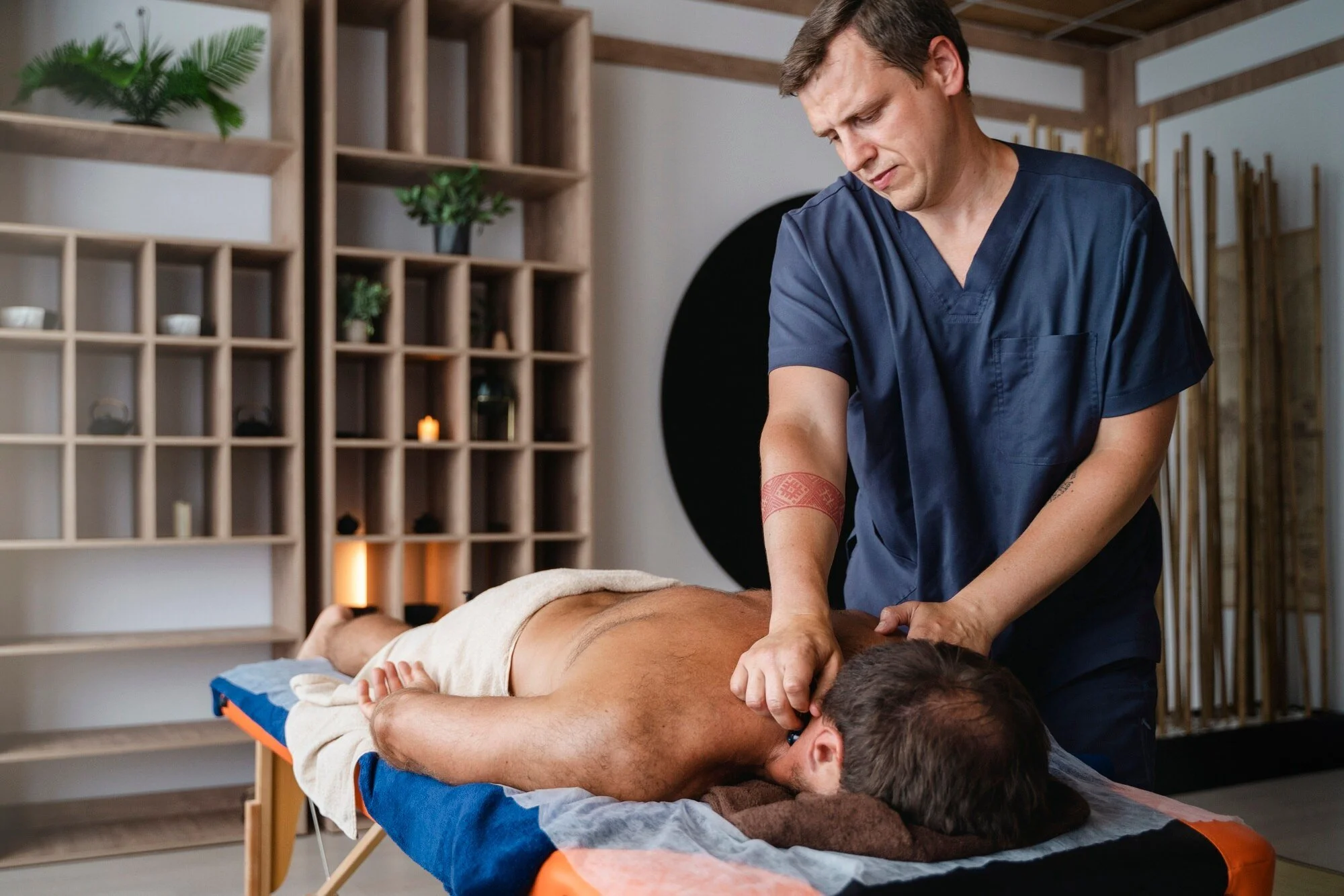
Image by Freepik
Introduction
Recovery is a fundamental component of any effective training programme. While training provides the stimulus for physical adaptation, it is during recovery that the body repairs, rebuilds, and strengthens in response to that stimulus. Without adequate recovery, performance can decline, fatigue can accumulate, and the risk of injury may increase.
Sports massage is commonly used by athletes and active individuals as part of a structured recovery approach. When combined with appropriate training, nutrition, hydration, and sleep, it can support muscle function, reduce discomfort, and help maintain consistency in training.
Understanding the role of sports massage within a broader recovery strategy allows individuals to make more informed decisions about how to support performance and long-term progression.
What is Sports Massage?
Sports massage is a form of manual therapy that focuses on the manipulation of soft tissues, including muscles, tendons, and surrounding connective structures. It is designed to support individuals who engage in regular physical activity by addressing muscle tension, movement restrictions, and areas of discomfort associated with training.
The application of sports massage can vary depending on the timing and purpose of the treatment. It may be used before training or competition to prepare the body for physical activity, following exercise to support the recovery process, or as part of an ongoing maintenance strategy to manage muscle tightness and movement quality.
Rather than being a standalone solution, sports massage is most effective when integrated into a wider performance and recovery plan that considers overall training load, lifestyle, and individual needs.

Image by Freepik
Benefits of Sports Massage
When applied appropriately, sports massage may support several aspects of physical performance and recovery. One of its primary roles is in helping to reduce muscle tension and stiffness, which can develop as a result of repeated training stress. By addressing these areas, individuals may experience improvements in movement quality and range of motion.
Sports massage may also support circulation to the muscles, which can assist in the delivery of nutrients required for recovery and the removal of metabolic by-products associated with exercise. This can contribute to a reduction in the perception of muscle soreness following training.
In addition to its physical effects, sports massage may also have a positive impact on relaxation and overall recovery perception, which can be beneficial when managing higher training volumes or periods of increased physical demand.
While sports massage can support recovery, it should be viewed as one component of a broader strategy rather than a replacement for key recovery factors such as nutrition and sleep.

Image by Freepik
Practical Uses of Sports Massage
Sports massage can be incorporated into a training routine in several ways, depending on individual goals and training demands. When used before exercise, it may help prepare the muscles for activity by increasing circulation and supporting movement readiness. Following training, it can be applied to support the recovery process and help manage muscle tightness that develops as a result of exercise.
Regular maintenance sessions can be beneficial for individuals who train consistently, as they allow for ongoing management of muscle tension and movement quality. The frequency of treatment will vary depending on training intensity, lifestyle factors, and individual recovery capacity.
Sports massage is most effective when combined with other evidence-based recovery strategies, including structured training programmes, appropriate nutrition, hydration, and sufficient sleep. Taking a comprehensive approach to recovery ensures that all aspects of performance are supported.
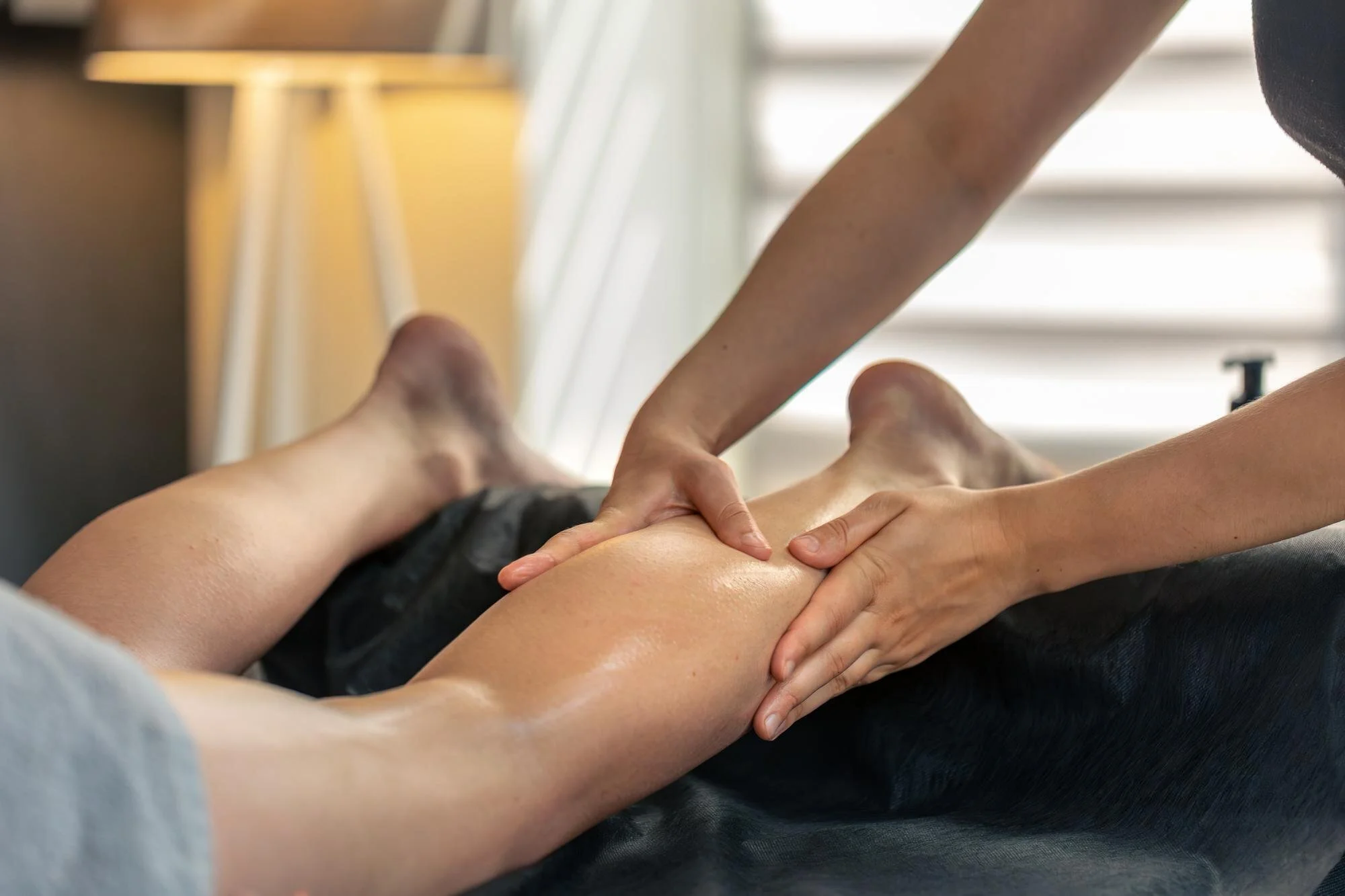
Image by Freepik
Common Mistakes
Despite its benefits, there are several common misconceptions surrounding sports massage. One of the most frequent is relying on massage as a primary solution for performance or recovery issues, rather than addressing underlying factors such as training structure, nutrition, or sleep.
Inconsistent use of sports massage is another common issue. Occasional treatments without a structured approach may limit its overall effectiveness in supporting long-term performance and recovery.
Some individuals may also expect immediate improvements in performance following treatment, whereas the role of sports massage is generally to support recovery and movement quality over time.
Failing to align treatment with training schedules can also reduce its effectiveness. For example, excessively intense treatment immediately before high-performance sessions may negatively impact performance rather than support it.
Key Takeaways
Sports massage can be a useful tool within a structured recovery strategy, supporting muscle function, movement quality, and overall training consistency. However, it is most effective when combined with other key recovery factors, including appropriate training, nutrition, hydration, and sleep.
A consistent and well-planned approach to recovery can help support long-term performance, reduce the risk of injury, and improve the ability to train effectively over time.
Interested in Sports Massage?
Now that you understand how sports massage supports recovery, reduces muscle tension, and enhances performance, the next step is applying it effectively. Book a consultation with us today.
References
Best, T. M., Hunter, R., Wilcox, A., & Haq, F. (2008). Effectiveness of sports massage for recovery of skeletal muscle. Clinical Journal of Sport Medicine.
Davis, H. L., Alabed, S., & Chico, T. J. A. (2020). The effect of sports massage on performance and recovery. BMJ Open Sport & Exercise Medicine.
Weerapong, P., Hume, P. A., & Kolt, G. S. (2005). The mechanisms of massage and effects on performance. Sports Medicine.