Pre & Post Workout Nutrition: Boost Performance & Recovery

Image by Freepik
Introduction
Nutrition plays a critical role in supporting training performance, recovery, and long-term physical adaptation. While overall dietary patterns remain the most important factor for health and body composition, the timing and composition of meals around exercise can help maximise energy availability, support muscle repair, and improve recovery between sessions.
For individuals who train regularly, understanding how to fuel the body before and after exercise can help optimise performance and reduce fatigue. Pre-workout nutrition prepares the body for physical activity by providing available energy, while post-workout nutrition supports recovery and adaptation following training.
This article outlines the key principles of pre- and post-workout nutrition and provides practical guidance for implementing these strategies within a balanced diet.
What is Pre-Workout Nutrition?
Pre-workout nutrition refers to the consumption of food and fluids before exercise to ensure the body has sufficient energy available for training. The primary objective is to optimise energy availability, maintain blood glucose levels, and support exercise performance.
Carbohydrates are the main fuel source during moderate to high-intensity exercise. Consuming carbohydrates before training can help increase glycogen availability and maintain performance during prolonged or demanding sessions. Protein may also be included before training to support muscle protein synthesis and reduce muscle breakdown.
The timing of a pre-workout meal typically depends on individual tolerance and training schedules. Larger meals are often consumed two to three hours before exercise, whereas smaller snacks can be taken closer to the session if needed.
Hydration is also an essential component of pre-workout preparation. Even mild dehydration can negatively affect physical performance, cognitive function, and thermoregulation during exercise.
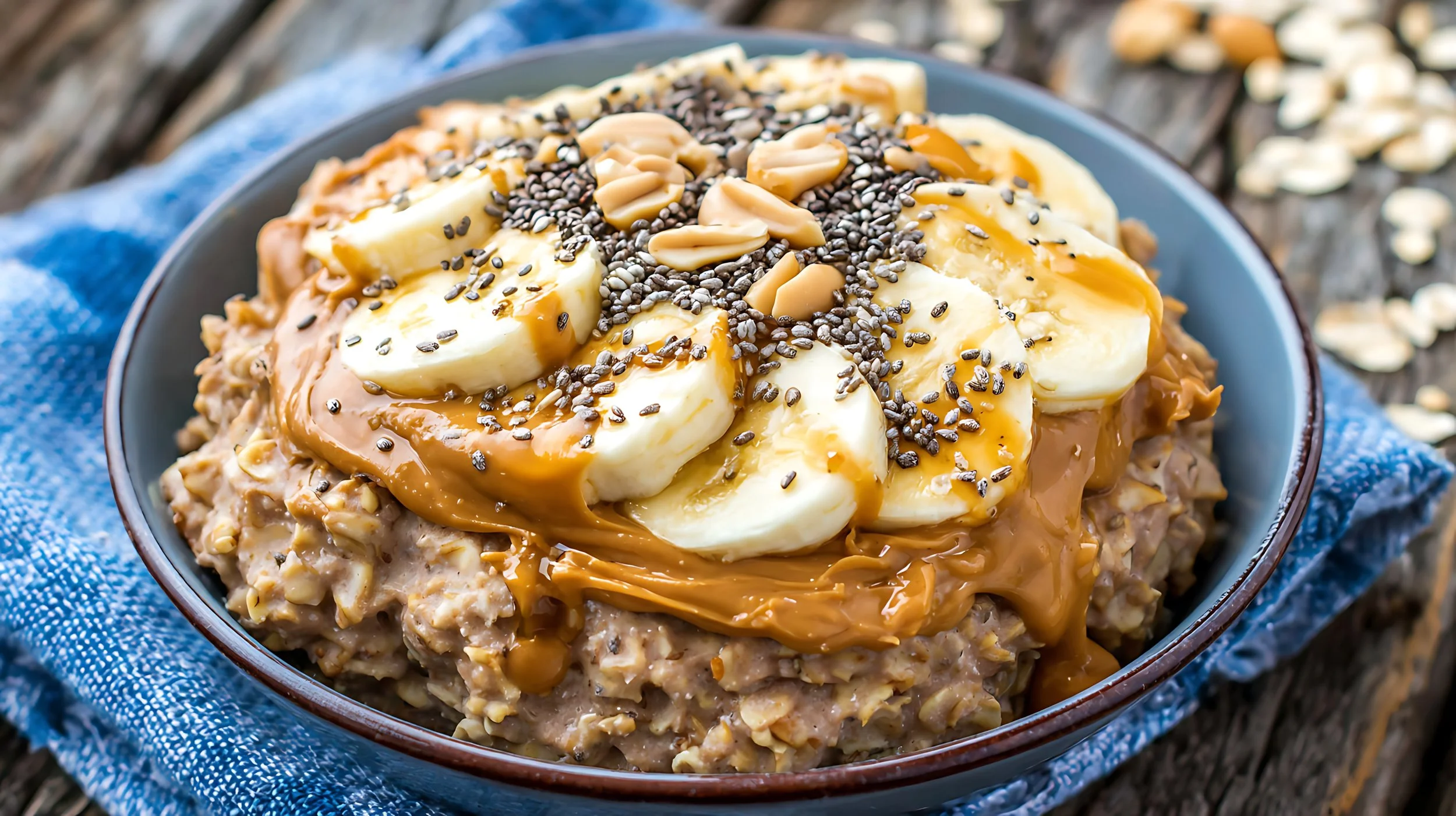
Image by Unsplash
Benefits of Proper Workout Nutrition
Appropriate nutrition around training provides several physiological benefits that support both immediate performance and long-term adaptation.
One of the primary benefits is improved exercise performance. Adequate carbohydrate availability allows individuals to maintain training intensity and delay fatigue during exercise.
Another key benefit is enhanced recovery. Following exercise, the body enters a repair and adaptation phase in which muscle proteins are rebuilt, and energy stores are replenished. Consuming protein after training supports muscle protein synthesis, while carbohydrates help restore glycogen levels.
Pre- and post-workout nutrition can also support immune function and reduce excessive muscle soreness when training volumes are high. Consistent fuelling strategies allow individuals to maintain training quality across multiple sessions throughout the week.

Image by Unsplash
Practical Tips for Pre- and Post-Workout Meals
Implementing simple nutrition strategies around training can significantly improve both performance and recovery outcomes.
For pre-workout nutrition, aim to include a source of carbohydrates alongside a moderate amount of protein. Carbohydrates help provide energy for exercise, while protein supports muscle maintenance. Foods that are easily digestible are often preferable before training to minimise gastrointestinal discomfort.
Following training, the priority shifts toward recovery. Consuming a combination of protein and carbohydrates within the hours following exercise helps initiate muscle repair and replenish energy stores.
Protein sources such as lean meats, dairy products, eggs, or protein shakes can support recovery, while carbohydrate sources such as rice, potatoes, oats, or fruit help restore glycogen levels.
Hydration should also continue after exercise to replace fluids lost through sweat.

Image by Unsplash
Common Nutrition Mistakes Around Training
Despite the importance of fuelling for exercise, several common mistakes can limit performance and recovery.
One common issue is training in a poorly fuelled state. While some individuals may occasionally train fasted, consistently training without sufficient energy intake can reduce training intensity and impair recovery.
Another mistake is under-consuming protein after exercise. Protein intake is essential for supporting muscle repair and adaptation following resistance or endurance training.
Excessive reliance on supplements can also be problematic. While certain supplements may have evidence supporting their use, the foundation of any effective nutrition strategy should remain a balanced diet based on whole foods.
Finally, inadequate hydration is frequently overlooked. Fluid losses during exercise can significantly impact performance if not properly replaced.
Key Takeaways for Pre & Post-Workout Nutrition
Pre- and post-workout nutrition can play an important role in supporting training performance, recovery, and adaptation. While the overall quality of the diet remains the most influential factor for health and body composition, strategic fuelling around exercise can enhance training outcomes.
Consuming carbohydrates before exercise helps support energy availability, while protein intake following training assists with muscle repair and recovery. Hydration before and after exercise also contributes to maintaining optimal physiological function during physical activity.
By implementing simple and consistent nutrition strategies, individuals can improve both their training performance and long-term results.
Need personalised nutrition support?
Evidence-based nutrition strategies can help optimise performance, improve recovery, and support long-term health and body composition. Book a consultation with us today.
References
Aragon, A. A., & Schoenfeld, B. J. (2013). Nutrient timing revisited: Is there a post-exercise anabolic window? Journal of the International Society of Sports Nutrition.
https://jissn.biomedcentral.com/articles/10.1186/1550-2783-10-5
Burke, L. M., Hawley, J. A., Wong, S. H., & Jeukendrup, A. E. (2011). Carbohydrates for training and competition. Journal of Sports Sciences.
https://pubmed.ncbi.nlm.nih.gov/21660838/
Jäger, R., Kerksick, C. M., Campbell, B. I., et al. (2017). International Society of Sports Nutrition position stand: Protein and exercise. Journal of the International Society of Sports Nutrition.
https://jissn.biomedcentral.com/articles/10.1186/s12970-017-0177-8
Kerksick, C., Wilborn, C., Roberts, M., et al. (2018). ISSN exercise & sport nutrition review update. Journal of the International Society of Sports Nutrition.
https://jissn.biomedcentral.com/articles/10.1186/s12970-018-0242-y
Thomas, D. T., Erdman, K. A., & Burke, L. M. (2016). Position of the Academy of Nutrition and Dietetics, Dietitians of Canada, and the American College of Sports Medicine: Nutrition and athletic performance. Journal of the Academy of Nutrition and Dietetics.